
Military gear must withstand demanding conditions without compromising functionality. Its reliability begins with material selection, as each component must meet specific performance requirements.
A tactical backpack needs durable yet lightweight construction. Protective equipment, on the other hand, requires materials suited to its intended level of protection. Understanding these materials offers insight into how manufacturers produce dependable equipment for military applications.
1. Nylon

Nylon is a popular material for military gear because it is strong, lightweight, and resistant to wear. These qualities make it suitable for equipment that undergoes frequent use and handling. Manufacturers commonly use nylon in tactical bags and other military equipment that needs to withstand regular outdoor use. Its strength helps products stay durable without adding much weight.
Different types of nylon offer varying levels of strength and durability. Manufacturers select the appropriate fabric based on the equipment’s intended use and expected conditions.
Some nylon fabrics also receive protective coatings to improve their resistance to moisture. This added protection helps equipment maintain its condition during outdoor activities and repeated exposure to the elements.
2. Polyester
Polyester is widely used in military gear because it resists moisture and dries relatively quickly. It also retains its shape during regular use, making it suitable for equipment that requires lasting performance.
Its lightweight construction makes it a practical choice for military bags and equipment covers. Manufacturers can produce different fabric thicknesses to meet specific design requirements. Polyester also performs well outdoors, particularly when exposed to sunlight and moisture. Its overall durability depends on the fabric quality and manufacturing process.
3. Cotton and Cotton Blends
Cotton is valued in military clothing for its softness and breathability. It feels comfortable against the skin, making it suitable for uniforms worn over long periods. Its main drawback is moisture retention. Cotton absorbs water easily and takes longer to dry, which can become uncomfortable during outdoor activities or wet conditions.
Cotton-polyester blends combine cotton’s comfort with improved moisture management. They also dry faster and retain their shape better than pure cotton. The right fabric depends on the garment’s purpose. Cotton blends can provide a practical balance of comfort and durability for uniforms used in different environments.
4. Aramid Fiber
Aramid fibers are valued in military equipment for their strength and relatively low weight. Their protective properties make them suitable for specialized applications. Kevlar, a well-known aramid fiber, is used in ballistic equipment because it helps absorb and distribute impact energy. It is commonly incorporated into protective vests to reduce injury risks.
Meta-aramid fibers offer heat resistance, making them suitable for flame-resistant clothing used in high-temperature environments. Although both belong to the same fiber family, their applications differ. Manufacturers choose between them based on the protection the finished product must provide.
5. Ultra-High-Molecular-Weight Polyethylene (UHMWPE)
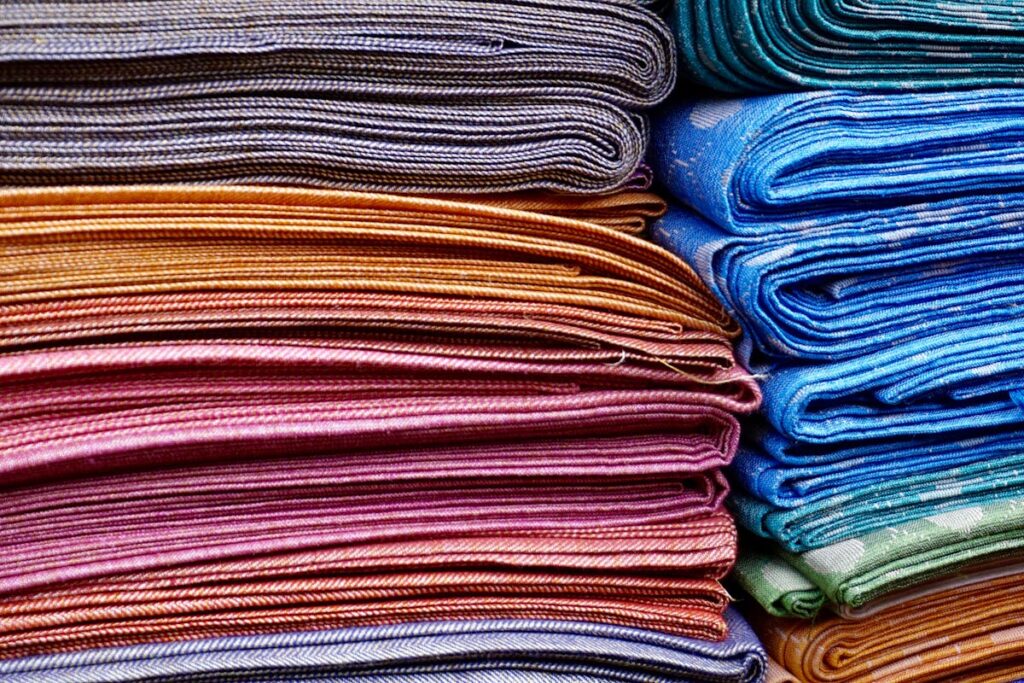
UHMWPE is a lightweight material valued for its exceptional strength. It is used in protective military equipment where reducing weight is important without compromising the required level of protection.
Manufacturers incorporate UHMWPE fibers into certain body armor designs. The material can also be formed into composite structures for specialized protective applications.
Another advantage is its resistance to moisture and many chemicals. It also withstands regular wear, making it useful in equipment intended for demanding conditions. Heat remains one of its main limitations. Excessive temperatures can weaken the material, so manufacturers must consider its operating environment before using it in a finished product.
6. Flame-Resistant Fabrics
Flame-resistant fabrics are used in military gear designed for environments where heat exposure is a concern. They help reduce the risk of ignition and limit how quickly flames spread across the material.
Some fabrics gain this property through chemical treatments, while others use naturally heat-resistant fibers. Meta-aramid is one example commonly used in protective clothing.
Manufacturers select these fabrics based on the level of heat resistance required for the finished product. The material must also provide the flexibility needed for comfortable movement during use.
Flame resistance does not mean a fabric is fireproof. Its protective capabilities depend on its composition and construction, as well as whether it meets the required safety standards.
7. Polyurethane and Polyethylene Foam
Foam provides cushioning and support in military equipment. Its properties can improve comfort and help absorb impact, depending on the application.
Polyurethane foam is commonly used in specialized seating. Available in different densities and firmness levels, it allows manufacturers to meet specific cushioning needs. Some varieties also retain their shape after repeated compression.
Polyethylene foam offers a lightweight alternative. Its resistance to moisture absorption makes it suitable for equipment requiring additional cushioning without excess weight. In military vehicle seating, foam selection affects comfort and support. Manufacturers may combine different types to achieve the required performance.
8. Canvas, Leather, and Vinyl

Traditional materials remain useful in military gear manufacturing, particularly for components that do not require advanced synthetic fibers. Canvas, leather, and vinyl each serve specific purposes.
Canvas is a durable, tightly woven fabric made from cotton or synthetic fibers. Its sturdy construction suits equipment covers and bags, and protective treatments can increase resistance to moisture and abrasion. Leather offers strength and flexibility for components requiring durable surfaces. Synthetic alternatives, such as Ultra Leather, provide a similar appearance with different maintenance requirements.
Vinyl is commonly used for covers and upholstery. Its coated surface is easy to clean, and different formulations offer varying performance characteristics. Material selection ultimately depends on the component’s function and required performance.
9. Metal and High-Strength Plastic Components
Military gear also relies on non-textile materials to support its structure and functionality. Metal hardware and engineered plastics play important roles in fastening and attachment systems. Metal components include buckles, clips, and adjustment mechanisms. Their strength allows them to withstand repeated handling and mechanical stress.
High-strength plastics provide a lighter alternative and resist corrosion. Manufacturers use them in selected connectors and protective housings where these properties are beneficial. Material selection depends on load requirements and operating conditions. Components must also remain compatible with the surrounding fabric and overall construction.
Factors to Consider When Selecting Military Gear Materials
Material selection depends on the equipment’s intended use. A fabric suitable for a storage bag may not meet the requirements of protective clothing or vehicle seating.
Manufacturers must consider durability and resistance to environmental exposure. Weight also affects mobility, particularly for equipment carried by personnel. Clothing and seating require added attention to flexibility and comfort.
Materials must also meet applicable procurement requirements and technical standards. Their compatibility with other components, such as linings and reinforcement layers, is equally important to achieving the desired performance.
How Material Selection Affects Military Gear Manufacturing
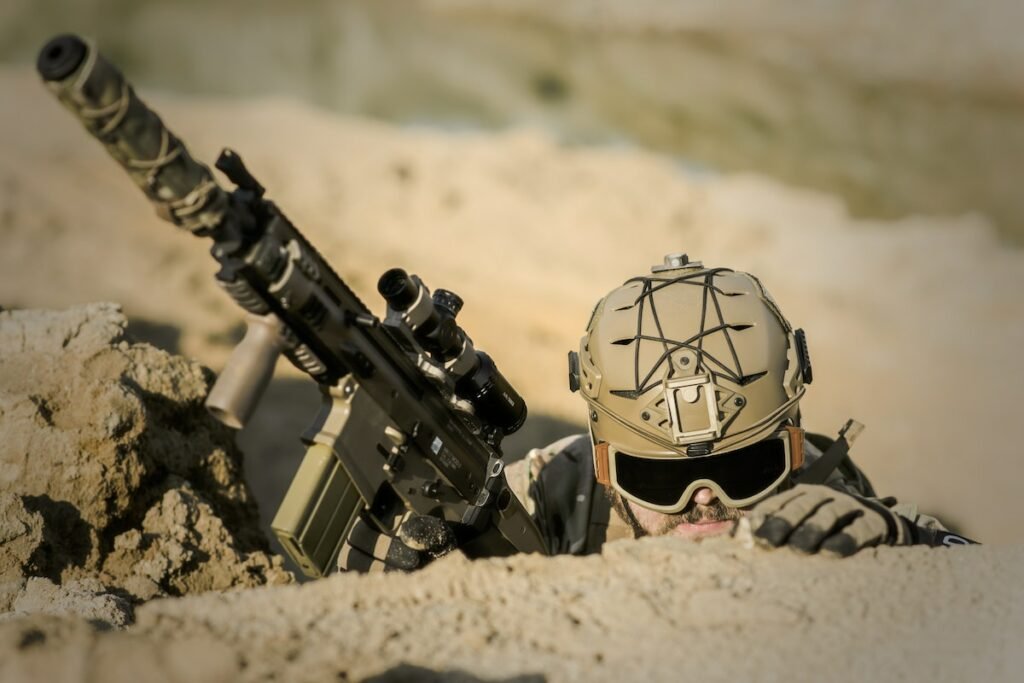
Material selection affects every stage of manufacturing, from design to final assembly. Each fabric requires specific cutting and sewing methods. Its thickness and stretch can also influence production efficiency.
Consistency is essential in high-volume manufacturing. Materials must meet established specifications to ensure finished products maintain the required dimensions and performance.
An experienced cut-and-sew manufacturer can help businesses choose suitable materials for their projects. They can assess product requirements and recommend appropriate fabric options before developing prototypes for larger production runs.
Choosing the Right Materials for Military Gear
Military equipment requires materials suited to its intended purpose. Nylon and polyester provide durability, and specialized fibers offer added protection. Other materials support specific construction requirements. Manufacturers must consider operating conditions and weight limits to meet performance standards and control costs.
LCR Services specializes in high-volume cut-and-sew manufacturing for the defense and private sectors. Its material capabilities include polyurethane foam and cross-linked polyethylene foam, as well as canvas and vinyl. The company also offers flame-retardant options and Berry Amendment-compliant materials made in the United States.
LCR Services supports custom military gear projects through prototyping and production. Visit LCR Services to learn more.