
Whether you’re in law enforcement, military service, outdoor recreation, or simply want reliable everyday carry gear, choosing the right tactical belt can make a significant difference in your comfort, efficiency, and safety. Not all tactical belts are created equal, and understanding what separates quality equipment from inferior options helps you make smart purchasing decisions.
At LCR Services in Phoenix, Arizona, we manufacture high-volume, high-quality cut-and-sew products including tactical belts trusted by the U.S. Military and professionals nationwide. Our experience in tactical gear manufacturing gives us unique insight into what makes a tactical belt truly reliable.
This comprehensive guide answers the most important questions about tactical belts, helping you select equipment that meets your specific needs and delivers dependable performance in demanding situations.
What Is a Tactical Belt and What Are Its Uses?

Tactical belts represent specialized heavy-duty gear designed to withstand rigorous use while securely carrying essential equipment. Unlike fashion belts, tactical belts serve functional purposes for military personnel, law enforcement officers, outdoor enthusiasts, and survivalists.
Construction and Materials
Quality tactical belts are manufactured from durable materials including genuine leather or reinforced nylon. Most feature quick-release buckle systems and multiple attachment points for securing essential gear, making equipment easily accessible and transportable.
Primary Applications
Tactical belts serve numerous critical functions. They secure vital equipment including holsters, magazine pouches, flashlights, multi-tools, and survival gear. This organization keeps essential tools within immediate reach during emergencies or tactical situations.
For outdoor enthusiasts who enjoy camping, hiking, hunting, or rock climbing, tactical belts provide convenient, reliable solutions for carrying necessary equipment. The heavy-duty construction ensures these belts support substantial loads without sagging or restricting movement, making them indispensable components of tactical and outdoor gear systems.
How Tactical Belts Differ from Regular Belts

Understanding the fundamental differences between tactical and regular belts helps clarify why investing in proper tactical gear matters.
Design Philosophy
Tactical belts prioritize functionality and strength above all else. They’re engineered to attach various gear types including holsters, pouches, and tools without weakening or impeding movement. Quick-release mechanisms enable rapid removal when necessary, while reinforced construction supports heavy loads reliably.
Regular belts, conversely, serve primarily as fashion accessories. Manufactured from standard leather or fabric without reinforced structures, they lack the attachment points and load-bearing capabilities essential for tactical applications.
Material Differences
The materials used in tactical belt construction reflect their demanding requirements. Tactical belts utilize heavy-duty components designed to withstand harsh conditions and continuous use, while regular belts use materials selected primarily for appearance and everyday comfort.
This fundamental difference in design philosophy and construction explains why tactical belts cost more than regular belts but deliver performance that standard belts simply cannot match.
Materials Used in Tactical Belt Manufacturing
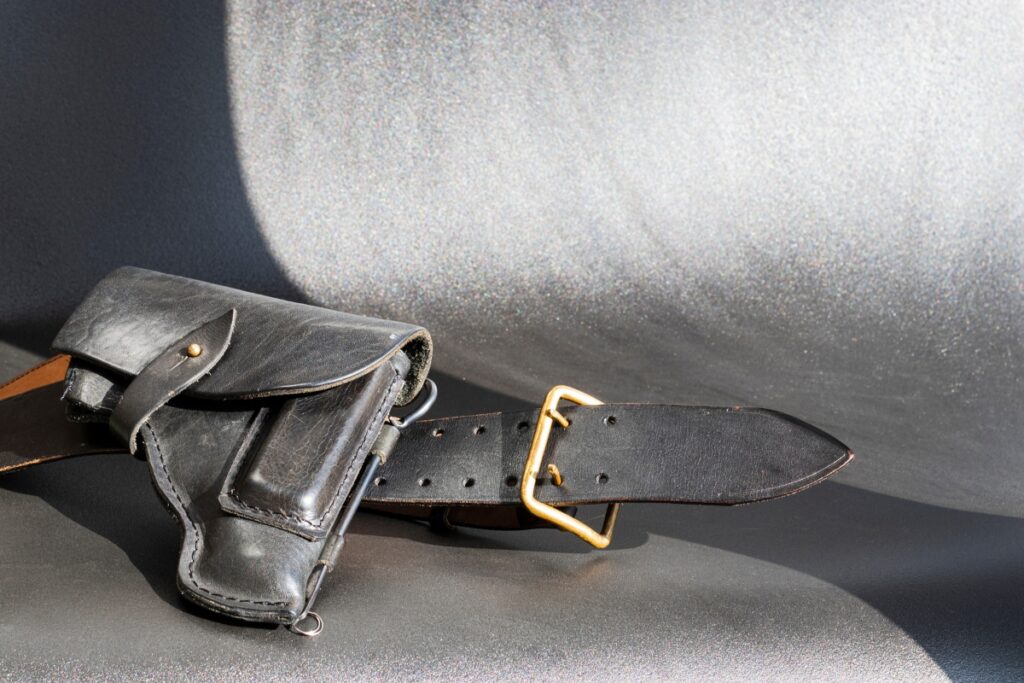
The materials used to construct tactical belts directly impact their performance, durability, and suitability for different applications.
Common Material Options
Leather combines exceptional durability with classic aesthetic appeal. Quality leather tactical belts develop character over time while maintaining structural integrity.
Polyester Blends offer flexibility and water resistance at lower costs than premium materials. Many tactical belts incorporate metal or polymer grommets for secure holds and quick-release functionality.
Reinforced Nylon represents the most popular material for tactical belts, particularly for outdoor and military applications. This material delivers outstanding abrasion resistance, durability, light weight, and strength in a single package.
Specialized Materials
For specialized applications requiring extreme performance, tactical belts may incorporate carbon fiber or Kevlar. These advanced materials provide exceptional strength-to-weight ratios and superior resistance to extreme environments.
The diversity of materials available means tactical belts can be optimized for specific environments and applications, from everyday carry to specialized military operations.
Different Types of Tactical Belts
Tactical belts come in several distinct types, each designed for specific applications and user needs.
Battle Belts
Battle belts feature padding and robust construction designed to carry tactical gear including ammunition, first-aid kits, and other essential equipment during tactical operations. They distribute weight effectively while remaining comfortable during extended wear.
Combat Belts
Combat belts provide padded support specifically engineered for military environments. They’re designed to carry substantial loads while maintaining comfort and functionality during combat situations.
Concealed Carry Belts
These specialized belts support firearms and concealed carry gear while maintaining a low profile suitable for civilian environments. They provide the necessary support without drawing attention.
Duty Belts
Law enforcement officers, security personnel, and first responders rely on duty belts to carry essential equipment including holsters, pouches, communication devices, and other gear required for their duties. These belts combine durability with professional appearance.
EDC Belts
Everyday Carry (EDC) belts balance comfort and strength for daily use. They’re lightweight and comfortable enough for all-day wear while maintaining sufficient strength to support essential gear.
Rigger’s Belts
Featuring exceptionally sturdy buckles, rigger’s belts handle heavy loads and demanding physical activities. They’re suitable for climbing, rappelling, and other physically intensive work where belt failure could create serious safety hazards.
Each tactical belt type addresses specific requirements, ensuring users can select equipment matched to their particular needs.
Essential Features to Consider

Selecting the right tactical belt requires evaluating several key features that impact comfort, durability, and functionality.
Material Quality
Look for durable materials like reinforced nylon or quality leather that provide the strength and flexibility your applications demand. Material choice affects weight, weather resistance, and longevity.
Buckle Systems
Buckle selection significantly impacts functionality. Cobra buckles offer exceptional security and quick-release capability. Quick-release buckles enable rapid removal in emergencies, while traditional buckles provide time-tested reliability.
MOLLE Compatibility
Modular Lightweight Load-carrying Equipment (MOLLE) compatibility allows attachment of additional pouches, holsters, and gear. This modular approach enables customization for specific missions or activities.
Adjustability and Load Capacity
Choose belts with sufficient adjustability to accommodate different clothing layers and gear configurations. High weight capacity ensures the belt supports your equipment without sagging or failing.
Comfort Features
Breathable materials enhance comfort during extended wear, particularly in hot climates. Reinforced stitching throughout the belt enhances durability and longevity, making it suitable for heavy continuous use.
Velcro Reinforcement
Additional Velcro closures provide extra security and stability, particularly when carrying heavy or shifting loads.
Choosing the Right Size
Proper sizing ensures your tactical belt performs as designed while remaining comfortable during extended wear.
Measurement Guidelines
Measure your actual waist circumference where you’ll wear the belt, accounting for the fact that tactical belts typically sit over pants or gear. Use a soft measuring tape for accuracy and measure while wearing typical clothing and equipment.
Don’t rely solely on your trouser size, as tactical belts often require different sizing to accommodate gear and proper positioning.
Size Selection Strategy
Tactical belts come in various sizes with different adjustment ranges. When uncertain between sizes, choose the larger option to ensure adequate length for carrying gear and allowing seasonal clothing layers.
Adjustable belts with extra length provide flexibility for different configurations and future needs. Proper sizing delivers maximum comfort, functionality, and support across all applications.
Wearing and Adjusting Your Tactical Belt

Proper wear and adjustment ensure your tactical belt delivers optimal performance and comfort.
Initial Fitting
Thread the belt through your pant loops, positioning it comfortably on your waist. The belt should fit snugly enough to securely hold gear and tools without restricting movement or causing discomfort.
Buckle Adjustment
Adjust the buckle for optimal fit, ensuring the belt remains secure during movement. Properly secure any excess belt length to prevent interference with equipment or activities.
MOLLE Gear Distribution
When using MOLLE systems, distribute gear evenly around the belt to prevent shifting and maintain balance. Proper weight distribution reduces fatigue and maintains comfort during extended wear.
Final Checks
After initial adjustment, move through typical motions to verify comfort and stability, particularly when carrying heavy items. Make necessary adjustments before relying on the belt in critical situations.
Professional Manufacturing Excellence
At LCR Services in Phoenix, Arizona, we specialize in manufacturing high-volume, high-quality cut-and-sew products including tactical belts trusted by demanding professionals. As a minority-owned business, we serve diverse clients including the U.S. Military, delivering products that meet rigorous performance standards.
Our manufacturing expertise allows us to create custom products according to your specifications and requirements. Whether you need standard tactical belts or specialized designs for unique applications, we combine quality materials with expert craftsmanship to deliver reliable equipment.
Ready to discuss your tactical belt needs? Contact LCR Services today at 602-200-4277 or email sennsour@lcrsvcs.com. Let our manufacturing experience and commitment to quality help you obtain tactical belts that deliver dependable performance when it matters most.